
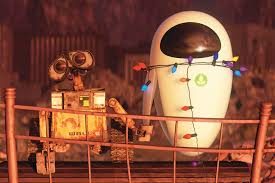
WALL-E and Environmental Storytelling A Cautionary Tale for Humanity
In the realm of animated cinema, few films have managed to capture the complexities of environmental issues as poignantly as Pixar's "WALL-E." Released in 2008, the film introduces us to a small, lovable waste-collecting robot navigating a post-apocalyptic Earth, buried under mountains of garbage. Through its sparse yet impactful storytelling and rich visual narrative, "WALL-E" serves as a cautionary tale for humanity, urging us to consider the ecological consequences of our actions. The film's gentle but firm critique of consumerism and environmental neglect resonates deeply, making it an animation classic that is as entertaining as it is thought-provoking.
The Plot and Its Environmental Themes
"WALL-E" is set in a distant future where Earth has been abandoned due to rampant consumerism and unchecked waste. The titular character, WALL-E, is left alone to clean up the mess humanity left behind. As he performs his monotonous task day in and day out, he slowly develops a sense of awareness and a desire for companionship. The film highlights the perils of overconsumption and the ubiquity of waste in our lives, painting a grim picture of a future that could become our reality if we do not change our ways. Through this narrative, Pixar conveys an urgent message: we must take responsibility for our environment and be conscious of our consumption habits.
The Role of Storytelling in Environmental Awareness
WALL-E's character embodies the concept of environmental storytelling, wherein the setting and character designs communicate messages about the state of our planet without needing excessive dialogue. The desolate landscapes of Earth, filled with towering piles of trash and the absence of life, starkly remind viewers of the consequences of neglecting our environment. Additionally, the contrast between the vibrant, thriving Earth that WALL-E once knew and the barren wasteland he now inhabits serves as a potent visual metaphor for loss. Such storytelling techniques not only engage viewers emotionally but also encourage them to reflect on their own relationship with the planet.
The Influence of WALL-E on Merchandise and Environmental Initiatives
The popularity of "WALL-E" has led to a wealth of merchandise, offering fans a chance to bring a piece of this touching narrative into their homes. From action figures to collectible toys, "WALL-E Merchandise" serves as a reminder of the film's critical message. By marketing products that highlight WALL-E’s adventures, audiences are also prompted to engage in discussions about sustainability and responsible consumption. For instance, eco-friendly products that feature the film’s beloved characters emphasize the need for environmental responsibility, further reinforcing the film's themes. This creates a unique intersection where consumerism meets the advocacy for better environmental practices, challenging the traditional norms of merchandise associated with animated films.
A Call to Action for Humanity
In conclusion, "WALL-E" is more than just a charming animated film; it is a poignant narrative that effectively communicates the urgent need for environmental stewardship. As humanity faces escalating issues like climate change and waste management, the lessons imparted by WALL-E resonate louder than ever. The film encourages viewers to reflect on their consumption habits and take proactive steps towards a more sustainable future. Whether through the lens of storytelling or merchandising, "WALL-E" serves as a reminder that every small action counts. As we navigate the future, let us heed its cautionary tale and strive for a world where harmony with our environment is at the forefront of our priorities.


