
How Kubo and the Two Strings Blends Eastern and Western Folklore
How Kubo and the Two Strings Blends Eastern and Western Folklore
In the realm of animated films, "Kubo and the Two Strings" stands as a captivating blend of Eastern and Western folklore, weaving a rich narrative that invites audiences to explore the deeper meanings of family, memory, and courage. Released in 2016 by Laika, the studio renowned for its stop-motion animation, the film captures the essence of Japanese mythology while incorporating storytelling techniques that resonate with Western audiences. This unique fusion has set "Kubo and the Two Strings" apart from its peers, making it a memorable cinematic experience.
Immersive Storytelling Rooted in Folklore
The narrative of "Kubo and the Two Strings" centers around a young boy named Kubo, who embarks on a quest to uncover the truth about his family's legacy. The film draws heavily from Japanese folklore, particularly the concept of the moon and the sun symbolizing life and death, which are key elements in many Eastern tales. Kubo's journey is mirrored in traditional Japanese storytelling, where lessons of honor, the importance of remembering one's ancestors, and the significance of harmony within the family play pivotal roles. Notably, the use of origami in the film, where Kubo transforms pieces of paper into living creatures, reflects a significant aspect of Japanese art and culture.
Western Influences and Universal Themes
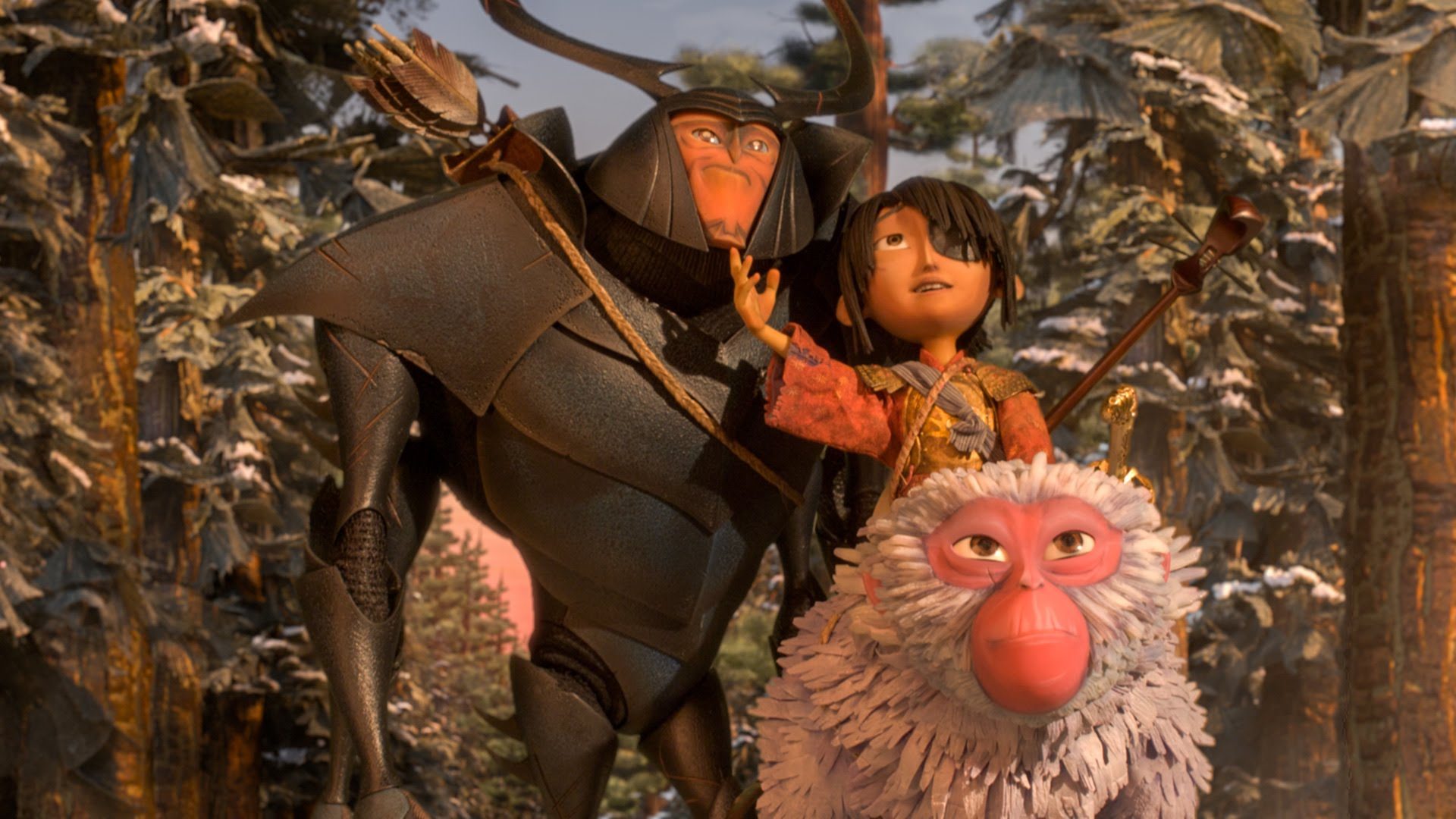
While the film is deeply rooted in Eastern traditions, it effectively incorporates Western storytelling elements, making it relatable to a broader audience. Themes of bravery, self-discovery, and the battle between good and evil resonate universally, while the detailed character development aligns with Western cinematic practices. The protagonists, including Kubo, Monkey, and Beetle, embody traits commonly seen in Western heroes, such as resilience and a quest for identity. This blend of cultural storytelling creates a narrative that transcends cultural boundaries, allowing audiences from differing backgrounds to connect with the film's themes and characters.
Aesthetic and Artistic Fusion
The visual style of "Kubo and the Two Strings" is another testament to its fusion of cultures. The film’s stunning animation combines traditional Japanese art forms with Laika's signature stop-motion techniques. Each frame is a work of art, filled with intricate details that mirror the aesthetics of Japanese woodblock prints while incorporating vibrant colors and imaginative landscapes that appeal to Western sensibilities. This artistic approach not only captivates the eye but also enriches the storytelling, as every visual element contributes to the overall theme of unity between different worlds and cultures.
The Kubo and the Two Strings store: A Cultural Treasure Trove
For fans of "Kubo and the Two Strings," the Kubo and the Two Strings store offers a delightful extension of the film's enchanting world. Here, enthusiasts can find merchandise that celebrates the film's intricate designs and beloved characters. From detailed figures of Kubo and his companions to art books that delve into the film's production process, the store serves as a treasure trove for those looking to commemorate their favorite aspects of the film. Shopping at the Kubo and the Two Strings store is not just about purchasing items; it’s an opportunity to engage with the film's themes of folklore, adventure, and the enduring bond of family, extending the magical experience beyond the screen.
In summary, "Kubo and the Two Strings" masterfully blends Eastern and Western folklore to create a rich narrative tapestry that appeals to a diverse audience. Its unique storytelling, stunning visuals, and deep cultural themes make it a landmark film in the animation genre. As viewers resonate with Kubo's journey, they are also invited to reflect on their own heritage, making this film a universal celebration of culture, creativity, and storytelling.


